Roof Leaking in Winter? Here Are the Most Common Causes
A roof that performs well most of the year can suddenly develop problems in winter. For New Jersey homeowners, cold temperatures, snow accumulation, and repeated freeze-thaw cycles expose weaknesses that may not be noticeable during warmer months. Understanding why winter leaks occur helps homeowners address issues early and avoid more extensive damage.
Below are the most common causes of winter roof leaks, based on conditions seen regularly across Ocean, Monmouth, and Middlesex Counties.
Ice Dams Along the Roof Edge
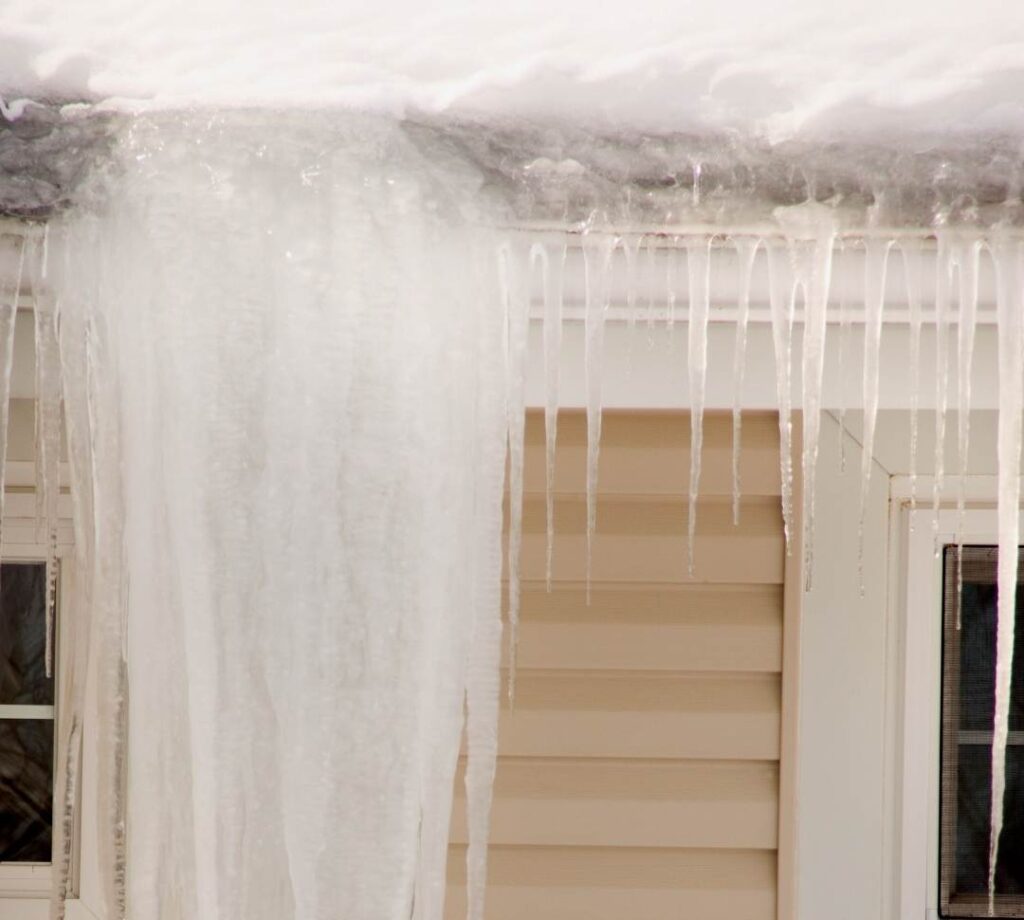
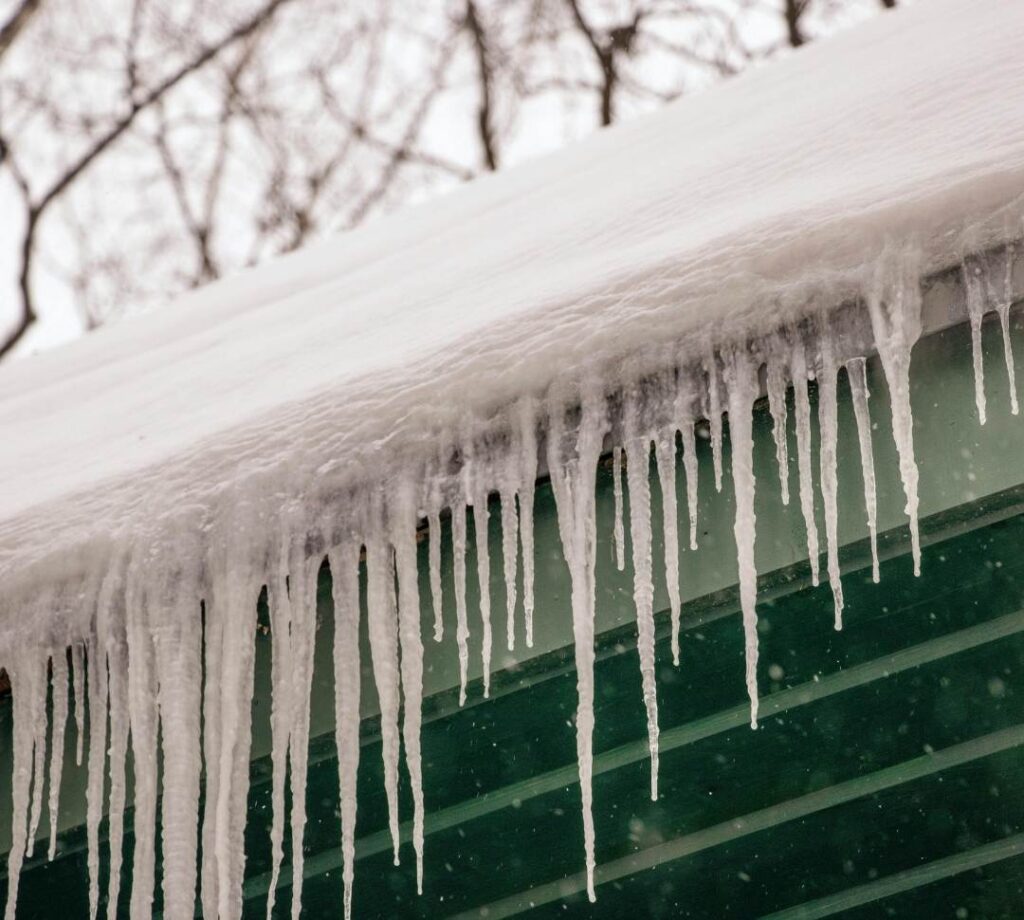
Ice dams are one of the most frequent causes of winter roof leaks in New Jersey. They form when snow melts on the upper portion of the roof and refreezes near the eaves. As ice builds up, it blocks proper drainage, allowing water to back up under shingles.
This trapped water can work its way beneath the roofing materials and into the roof deck. Homes in coastal and suburban areas such as Toms River, Brick, and Middletown are especially susceptible due to temperature fluctuations and wind exposure. Ice dams do not indicate a single cold night but rather a pattern of uneven melting and refreezing over time.
Failing or Improperly Installed Flashing
Flashing is the metal material installed around roof penetrations such as chimneys, plumbing vents, skylights, and where roof sections meet walls. Its purpose is to direct water away from vulnerable joints.
In winter, flashing problems become more noticeable. Cold temperatures can cause older sealants to crack or shrink. Snow and ice put additional stress on these joints. If flashing was improperly installed or has deteriorated, water can enter even when shingles appear intact.
This is a common issue in older homes throughout towns like Freehold, Red Bank, and Old Bridge, where roofs may have multiple generations of repairs layered over time.
Cracked or Lifted Shingles
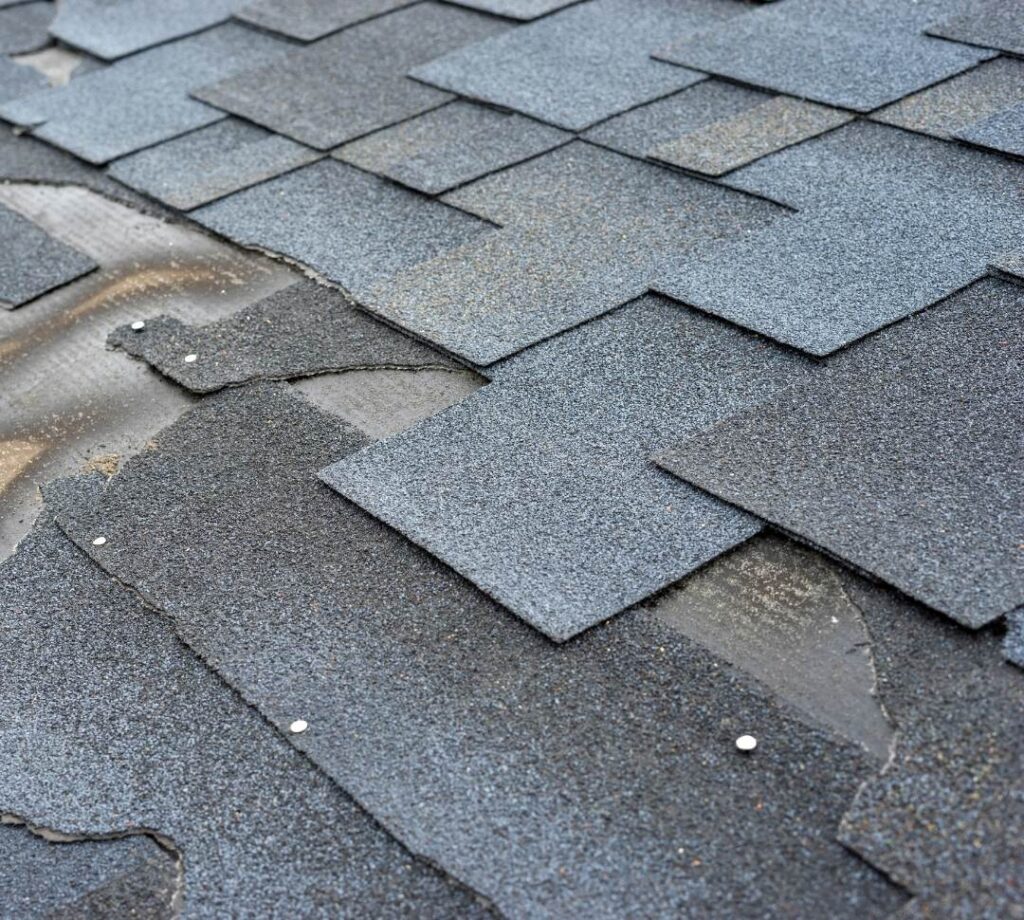
Shingles become more brittle in cold weather. As temperatures drop, minor cracks or lifted edges that developed earlier in the year can worsen. Wind can lift these compromised shingles, creating pathways for melting snow to enter the roof system.
In winter, leaks from damaged shingles often appear after snow begins to melt, not during snowfall itself. Homeowners may notice stains or moisture days later, making the source harder to identify without a professional inspection.
Roof Valleys Handling Excess Water
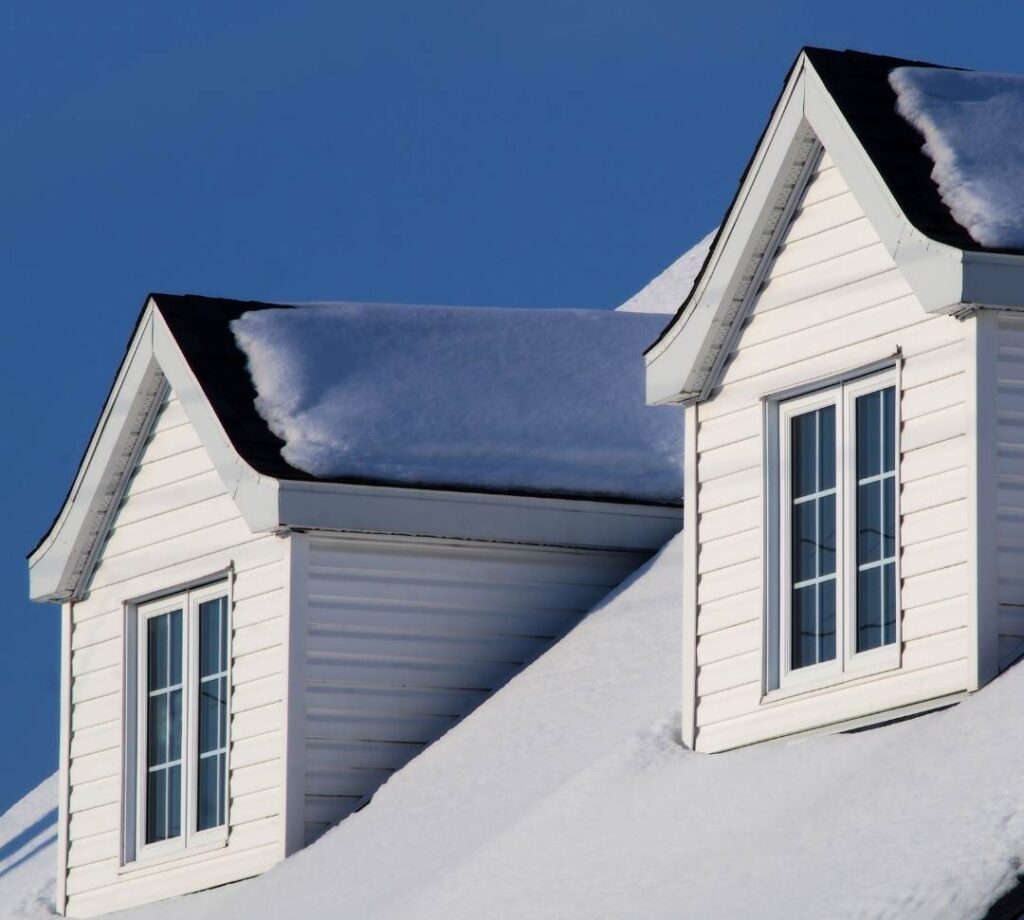
Roof valleys are the areas where two roof slopes meet. These channels handle more water runoff than almost any other part of the roof. In winter, snow tends to accumulate in valleys, increasing the volume of meltwater passing through a concentrated area.
If valley metal is worn, improperly cut, or incorrectly layered beneath shingles, water can penetrate the roofing system. Valley-related leaks are common in multi-pitch roofs found in many Middlesex County neighborhoods, where architectural designs create multiple drainage paths.
Frozen or Blocked Gutters
Gutters play a critical role in directing water away from the roof edge. When gutters are clogged with debris or ice, melting snow has nowhere to go. Water can back up under the first row of shingles and enter the roof structure.
This issue is often overlooked because homeowners focus on the roof surface itself. In reality, drainage problems at the gutter line are a major contributor to winter leaks, particularly after prolonged cold periods followed by brief warming.
Nail Pops and Fastener Issues
Over time, roofing nails can back out slightly due to expansion and contraction of the roof structure. In winter, these nail pops become more problematic. Raised fasteners break the seal between shingles, allowing moisture to seep in during melting cycles.
While nail pops may seem minor, they can lead to recurring leaks if not addressed properly. They are often found during winter inspections when low-angle sunlight makes surface irregularities easier to see.
Why Winter Roof Leaks Require Professional Evaluation
Winter roof leaks are rarely caused by a single issue. More often, they result from a combination of age, roof installation quality, and seasonal stress. Attempting temporary fixes without understanding the underlying cause can lead to repeated problems and higher long-term costs.
A professional winter roof inspection focuses on identifying how water is entering the system, not just where it appears inside the home. This allows homeowners to make informed decisions about repairs, maintenance, or future replacement planning.
For homeowners in Ocean, Monmouth, and Middlesex Counties, winter roof issues are not unusual. What matters most is addressing them with accurate information and experienced evaluation.
Get Help with Your Winter Roof Damage in NJ
If your roof is leaking in winter, the cause is usually tied to how snow, ice, and cold temperatures interact with existing wear points. Ice dams, flashing failures, damaged shingles, valley wear, drainage issues, and fastener problems are the most common culprits. With the right inspection and repairs, winter roof leaks can be resolved effectively and prevented in the future.
Is your roof leaking in your New Jersey home? If so, call us at 4 Seasons Roofing today. Serving Ocean, Monmouth, and Middlesex Counties, we will provide a thorough inspection and recommend the best solution to fix and prevent leaks with transparent and honest pricing. Contact us to schedule your appointment.